Instagram Brand Collaborations Guide for Beginners
New to Instagram brand collaborations? Follow this simple step-by-step guide to set up your account, pitch brands, agree on terms and post with confidence.
· 9 min read
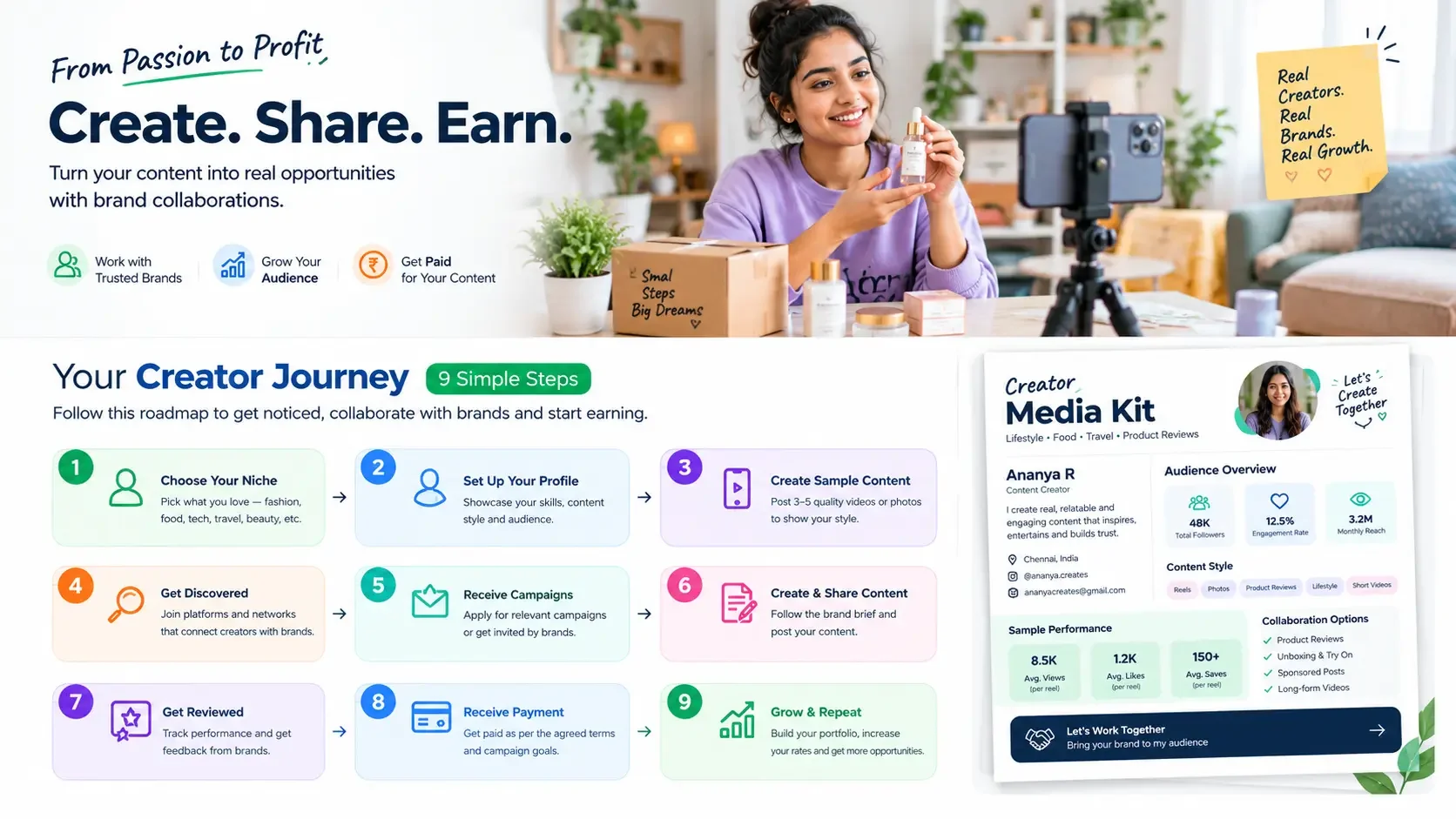
To Start with brand collaborations on Instagram, switch to a professional account, choose one niche, show your best content, and make a simple one-page media kit. Reach out to brands that match your niche and audience with a friendly, personalized pitch. Confirm the deliverables and payment terms before starting, disclose sponsored content transparently, and report the campaign results to build long-term partnerships. You do not need a huge following to begin.
Your first brand collaboration can feel a bit like the first day at a new job. You are excited, a little nervous, and not sure what is expected. This guide takes away the guesswork. It is written for beginners, and it works for creators in any country.
What is an Instagram brand collaboration?
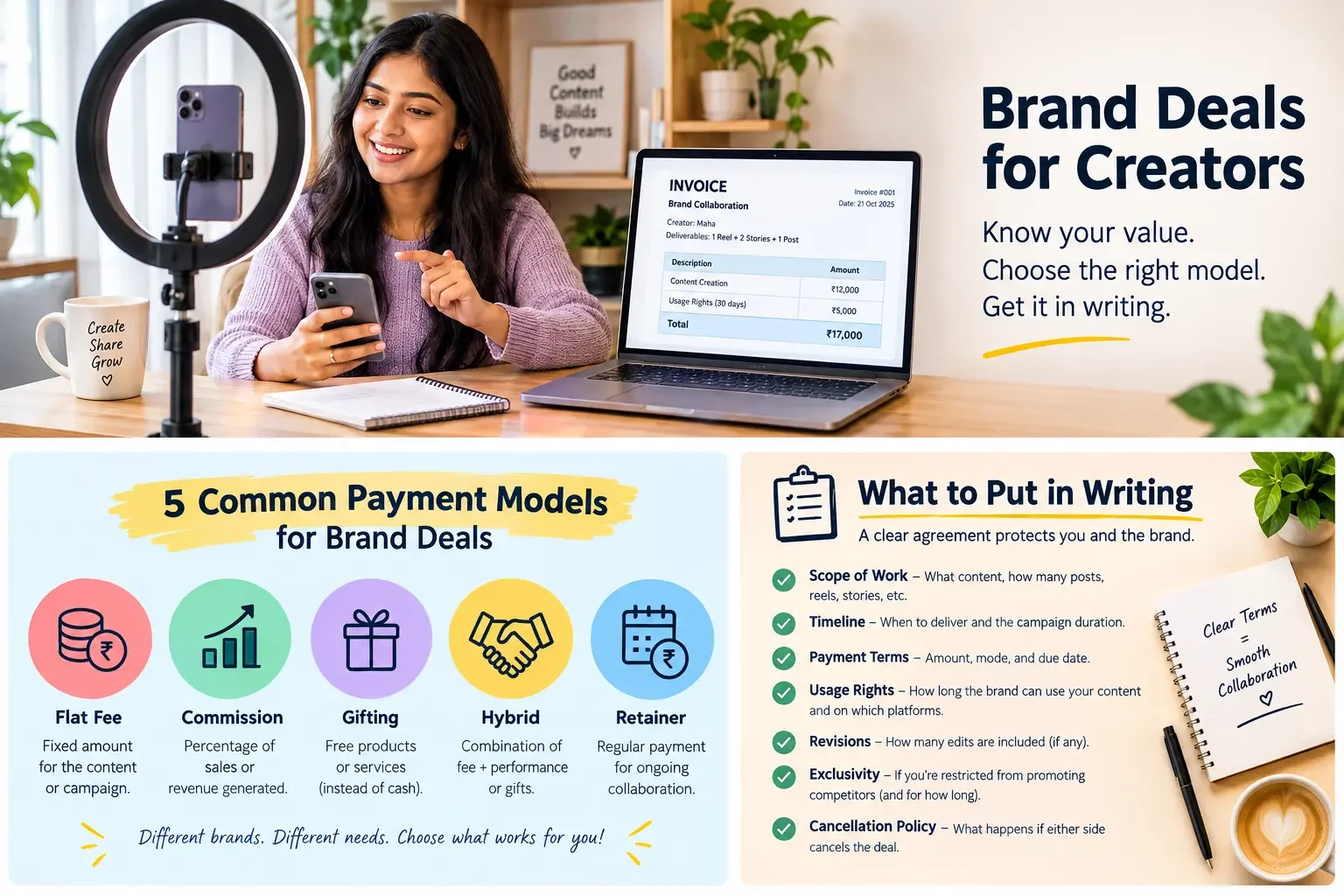
A brand collaboration is a partnership where a brand works with you to show its product or service to your followers. Most beginners meet these types:
Gifted collaboration: the brand sends a free product, and you share your honest experience.
Paid collaboration: the brand pays you a fee for agreed content, such as a reel or a set of stories. Commission or affiliate deal: you earn a share of the sales that come through your link or code.
Long-term partnership: you work with the same brand again and again, often as a regular face of the brand.
Many creators start with the first type and slowly move towards paid and long-term deals.
Am I ready for brand collaborations?
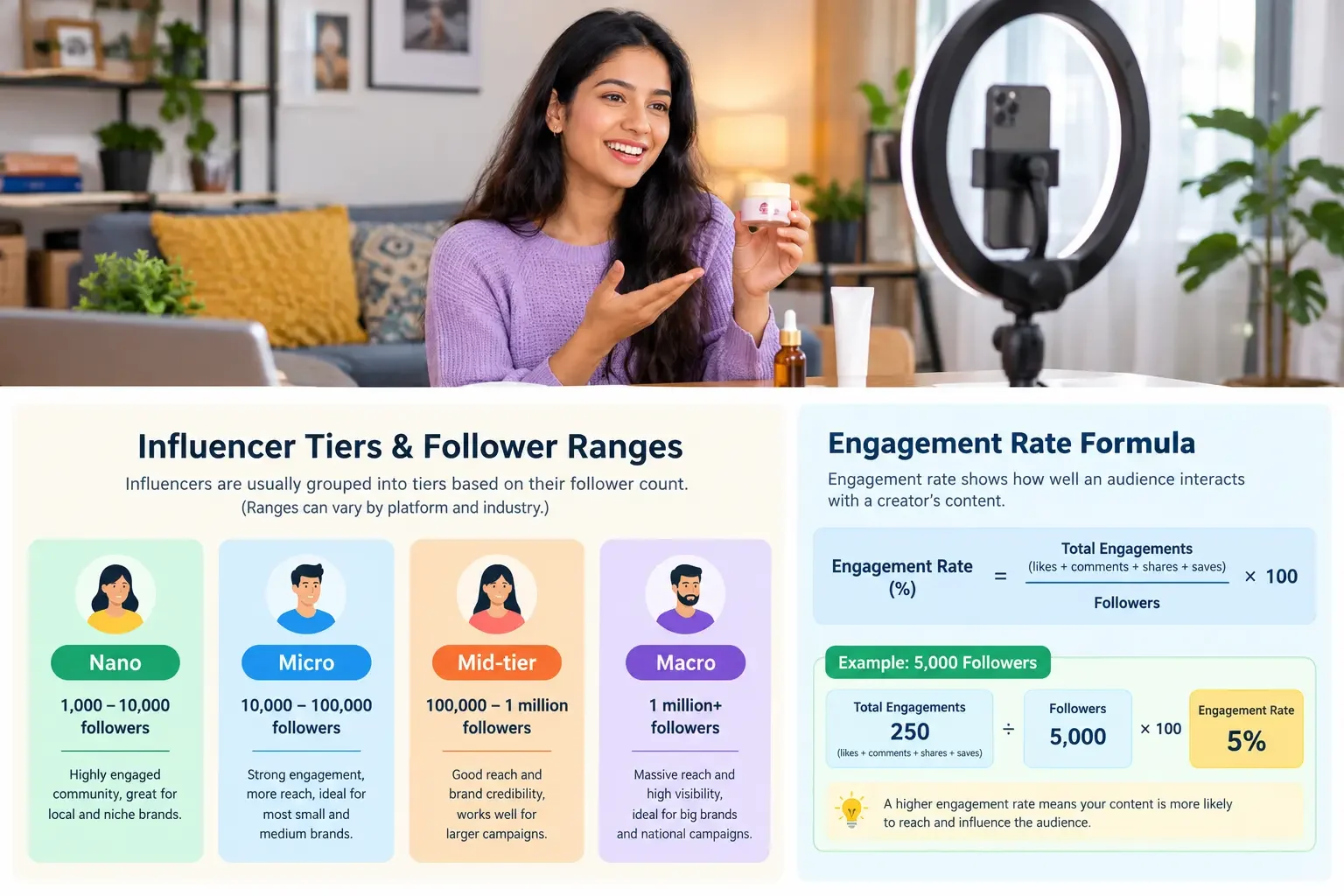
If you post regularly, stay mostly on one topic and your followers like and comment on your posts, you can start. Brands care about how real and active your audience is, not only how big it is. If you want a closer look at the numbers, read our guide on how many followers you need for brand deals.
Step 1: Switch to a professional account
A professional account gives you tools that brands expect, such as insights about your followers and content, and a contact button on your profile. Instagram offers two types, Business and Creator, and it describes the creator type as best for public figures, content producers, artists and influencers (Instagram Help Center). Before making the switch, review the page carefully to understand which settings may be affected. Menu names can also change, so use Instagram's Help Center if the steps look different on your phone.
Step 2: Choose a niche and tidy your profile
Pick one main topic, like home cooking, fitness, travel, skincare, tech, or study tips. You can still share other things, but most of your posts should stay close to your niche. Then check your profile:
A clear profile photo
A short bio that says what you create and who it is for
A business email or contact button, so brands can reach you easily
Highlights that show your best work, such as "Recipes", "Reviews" or "Behind the scenes"
Step 3: Show your best work
Brands decide quickly. Make sure your first 9 posts show what you can do. If you have no brand work yet, make two or three sample posts as if a brand had asked you, such as a review of a product you already use. This gives a brand something real to look at, and it shows that you can create content in their style.
Step 4: Make a simple media kit
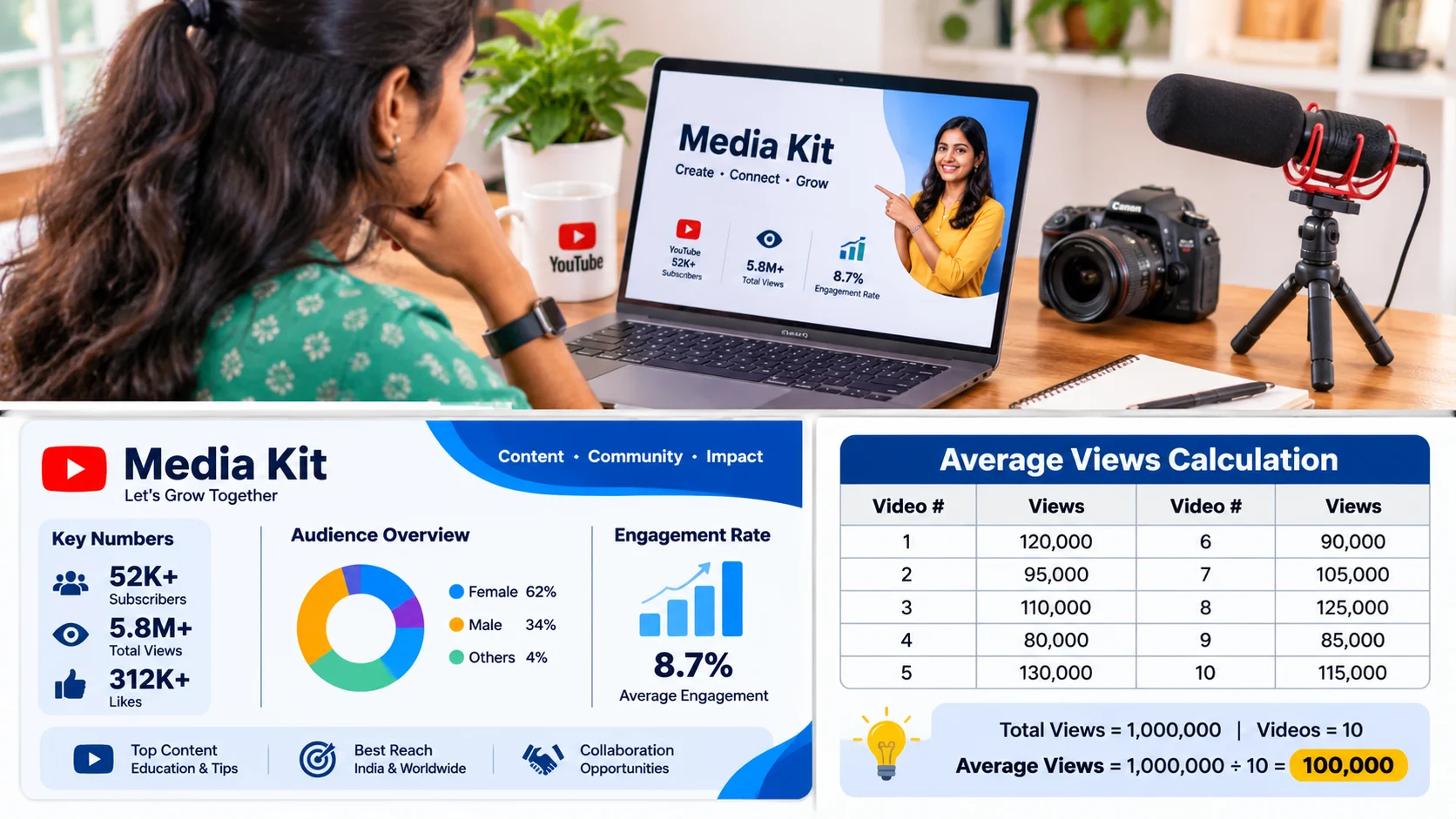
A media kit is a simple, one-page profile that highlights your brand, audience, content, and collaboration opportunities. Keep it short and clear:
Your name, niche and the platforms you use
Your follower numbers and engagement
Key audience insights, including leading locations and the most common age range.
Two or three of your best posts, with simple results like views or saves
Your contact details
You can make it in any simple design tool or document. A tidy, honest page is better than a fancy one with big claims.
Step 5: Find brands that really fit you
Beginners often send messages to every brand they see. A smaller, smarter list works better. Start with:
Brands you already use and like. Your honesty will show in your content.
Small and new brands in your niche. They often welcome creators of every size.
Local brands in your city or country. Your audience is likely their customer.
Brands that collaborate with creators in your niche. Look at who they tag and share.
Before you write to anyone, ask yourself: would my followers actually want this product?
Step 6: Send a short, personal pitch
Keep your first message friendly and brief. Say who you are, why you like the brand, and give one clear idea. Here is a sample you can change in your own words:
Hi [Brand] team, I'm [Name], a [niche] creator from [city or country]. I've been using your [product] for [time], and I really like [one specific thing]. Most of my followers are [type of audience], and my recent reel on [topic] reached [number] people. I'd love to create a short reel showing [your idea].
May I send you my one-page media kit? Thank you for your time!
If you do not hear back, one polite follow-up after a week or two is enough. Do not send the same copy paste text to many brands, because they can tell.
Step 7: Agree on the details in writing
Even a small collaboration needs clear terms. Before you start, check these points:
What you will create (for example, 1 reel and 2 stories) and the posting date
Whether it is gifted, paid or commission-based, and the exact fee if paid
How many changes the brand can ask for
The duration and platforms where the brand is allowed to reuse your content.
Whether you must avoid working with similar brands for some time When and how you will be paid
For more guidance on pricing and payment agreements, explore our guide to how creators earn money through brand partnerships.
Step 8: Publish your content with the appropriate disclosure label.
Follow the brand's main points, but speak in your own voice. Your followers follow you for your style, and a stiff, scripted post usually feels fake.
On Instagram, you can use the Paid Partnership label on posts, reels and stories to show that the content is a partnership. You normally need a professional account with branded content tools turned on, and the brand may need to approve the tag. Look for it in the advanced settings when you post, and check Instagram's Help Center if the menu looks different.
Disclosure is not only an Instagram rule. Laws and advertising rules in many countries expect it. In the United States, for example, the FTC says a disclosure should be easy to notice, placed with the post itself, and written in simple words like "ad" or "sponsored" (FTC). Check the rules where you and your followers live.
Step 9: Share results and say thank you
After the post goes live, wait a few days and then send the brand a short update. Include simple numbers from your Instagram insights, like reach, views, saves, shares and link clicks, and a few screenshots of nice comments. Then say thank you and mention that you would love to work together again. This small step is what turns one-time collaborations into long-term ones.
Beginner mistakes to avoid
Saying yes to every offer, even when the brand does not fit your audience
Starting work without agreeing on the details
Forgetting to mark paid or gifted posts clearly
Buying followers or likes, which can damage your trust with brands
Sending the same message to dozens of brands
Giving up after a few "no" replies
Stay safe from scams
Be careful with messages that look too good to be true. A real brand will not ask you to pay a fee to join a collaboration, and it will never need your Instagram password. Be careful if someone asks you to click strange links, move the chat to an unknown app straight away, or send money first. If anything seems suspicious, pause and verify the offer through the brand’s official website or verified social media profiles.
How Thayyal helps creators
Brands like to see who you are before they say yes. On Thayyal, you can build a creator profile, show your work and the platforms you create on, and discover brand opportunities that match your niche. It is a simple way to put your best work in one place and let brands find you.
FAQ
How to Get Your First Brand Collaboration on Instagram?
Switch to a professional account, choose one niche, and show your best work on your profile. Make a one-page media kit, pick a few brands that fit your audience, and send each one a short, personal message with a clear idea. Agree on the details in writing before you start.
Do I need a business account for brand collaborations?
You need a professional account, which can be a Creator or Business type. It gives you insights and a
Enquire button, and it is usually needed for the Paid Partnership label. For most individual creators, the Creator type is a good fit.
Can I get brand deals with a small following?
Yes. Many brands care more about whether your audience is real, active and interested in their product than about the follower number. Beginners often start with gifted products or small paid deals and grow from there.
How do I message a brand on Instagram?
Keep it short and friendly. Say who you are, what you create, why you like the brand, and one content idea. Offer to send your media kit, and follow up politely once if you do not hear back.
Do I have to label a brand collaboration on Instagram?
Yes, if you received money, free products or any other benefit for the post, you should clearly show it. Use Instagram's Paid Partnership label when it is available and follow the advertising rules in your country.
How to identify and avoid fake brand partnership offers?
Be careful if the brand asks you to pay money first, asks for your password, sends strange links, or pushes you to decide very quickly. Check the brand's official website and accounts, and say no if you feel unsure.
Final thoughts
Your first brand collaboration does not need to be perfect. It needs to be honest, clear and well organized. Start with brands you truly like, keep your agreements simple, and learn from each project.
Every good collaboration makes the next one easier.
Ready to meet brands? Join Thayyal as a Creator, build your profile and discover opportunities that fit your niche. And if you are a brand looking for creators, start with Thayyal too.